Documents You Need to Sell
What to gather before you sell mineral rights, and what to do if you can't find all of it. The paperwork that actually speeds up a closing.
Selling mineral rights isn't complicated, but most sellers have never done it before and most of what lands in the mailbox is designed to keep it that way. Here's exactly how it works when you sell to us.
You send us the basics, we pull public records to confirm what you own, we build a number off real production and lease data, and if you like it we handle the paperwork through closing. That's the whole shape of it. What follows is each step in enough detail that you know what to expect before you ever pick up the phone.
It starts with basic information, not a commitment. County and state, the legal description if you have it (a deed or a division order works fine), and whether the interest is producing, leased-but-idle, or raw acreage nobody has touched. If you inherited the interest and aren't sure what you have, that's normal too. Roughly half the sellers who call us are working from an old deed their grandparent signed thirty years ago and a royalty check that shows up sporadically.
We're not asking for anything that requires a lawyer to gather. A deed, a division order, a recent royalty statement, or even just the county and approximate acreage gets the process moving.
Once we have enough to go on, we check the county clerk's index and, where the interest sits in an active play, the operator's production reporting. This tells us who's operating nearby, what the spacing unit looks like, and whether the interest has a production history we can pull decline curves from. In the Permian or the Haynesville that record trail is usually thick. In quieter counties it might just be an old lease that expired and never got re-leased.
This step is on us, not you. We're not going to hand you a stack of homework before we'll even talk numbers.
The offer reflects what the records actually show: net mineral acres, decimal interest if it's producing, current well performance if there's production history, and how the surrounding play is trading based on recent activity. We put it in writing with the reasoning attached, not a bare figure with no explanation. If part of the interest is fractional or split among heirs, we'll say so and price accordingly rather than assuming it's whole.
There's no obligation attached to receiving the offer. You can take it to another buyer, sit on it, or say no. We'd rather you compare it against something than sign in the dark.
If you accept, we run title to confirm the chain of ownership matches what the county index shows. Most of the time this is routine. It gets slower when there's an unprobated estate, a missing heir, an old lease with ambiguous terms, or a legal description that doesn't match modern survey conventions. None of that kills a deal, it just adds time, and we'll tell you up front if we spot one of those issues rather than let it surprise you at the closing table.
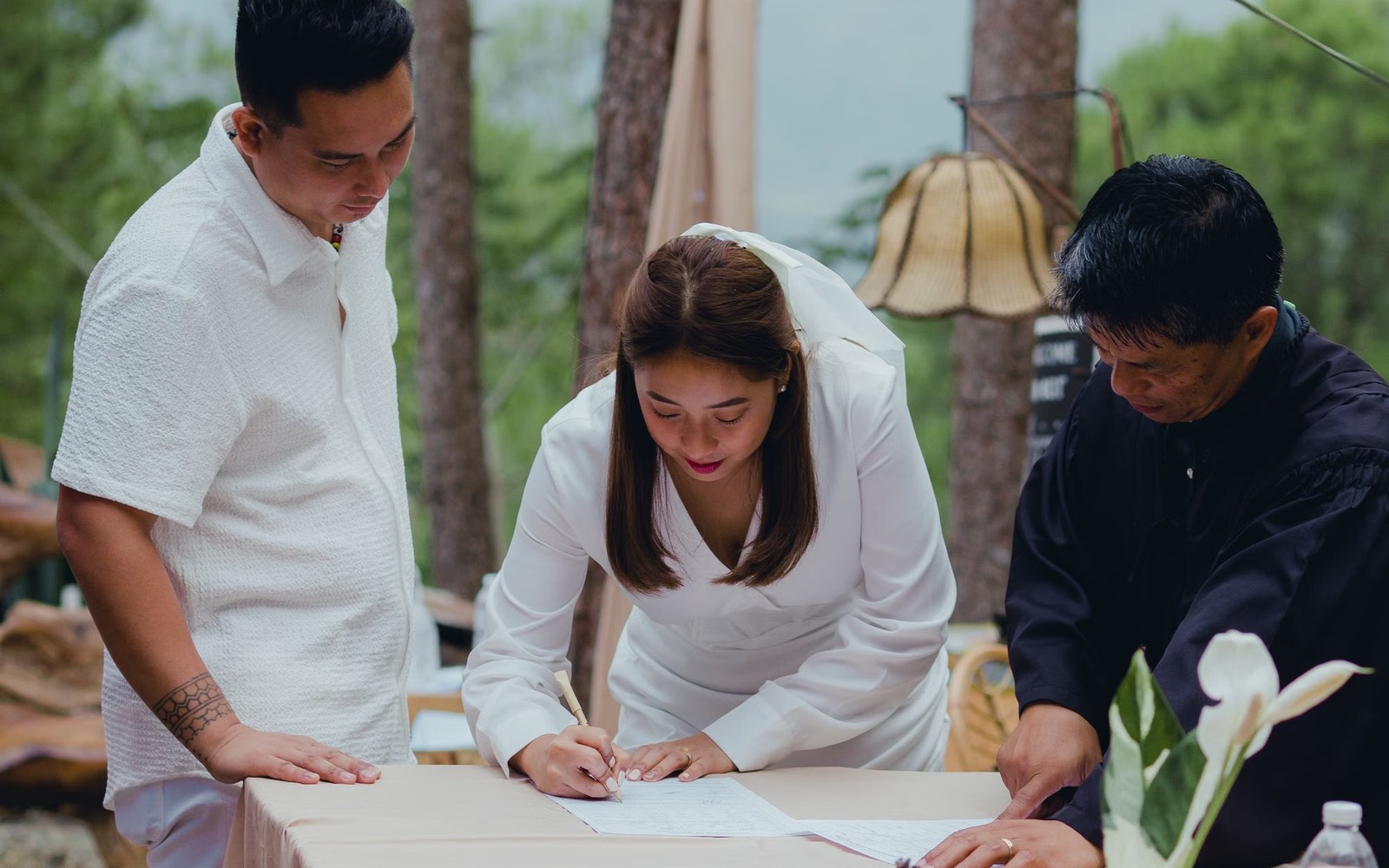
Once title clears, we send closing documents for signature, typically through a mobile notary if you're not local, and funds move once the signed deed is back in hand. Closings on clean title commonly run a couple of weeks; anything with a title curative issue takes longer depending on what needs fixing. We don't quote a fixed number of days up front because the honest answer depends on what your specific records show.
No. There's no obligation and no cost to get a number from us. Plenty of sellers use our offer as a benchmark against something else they received in the mail.
That's common with inherited property split among siblings or cousins. We can make an offer on your fractional share alone, or coordinate with co-owners if everyone wants to sell together.
We buy non-producing and undeveloped acreage too. The offer reflects nearby activity and lease potential rather than current royalty checks, so the math looks different than a producing interest.
No broker fees come out of your side. The number we quote is what you're paid at closing, minus nothing, though you should still confirm details with your own advisor before signing.
Ownership transfers to us by deed, recorded at the county courthouse just like your original deed was. Any future royalty checks on that interest go to the new owner of record, not to you.
Keep the tract and title questions together
Mineral file
What to gather before you sell mineral rights, and what to do if you can't find all of it. The paperwork that actually speeds up a closing.
How to tell if a mineral rights offer, including ours, is short-changing you. The tactics to watch for and the questions that expose a weak number.
The real inputs behind a mineral rights number: production history, spacing, lease terms, and nearby activity. No fixed price tables, just how the math works.
Tell us the county and state, owner name, whether the interest is producing or leased, and which records you already have.